About Temporary Fencing
Temporary fencing was first brought to the market in the 1960s as a cost-effective and simple solution to create a temporary perimeter around construction sites.
While temporary fencing is still most prevalent in the construction sector, it has been adopted by several other industries due to its effectiveness. It’s typically found at demolition sites, outdoor event locations, and security-sensitive events.
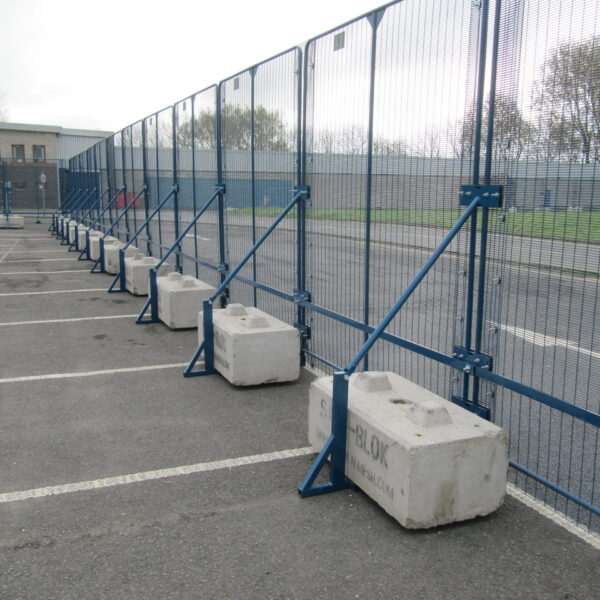
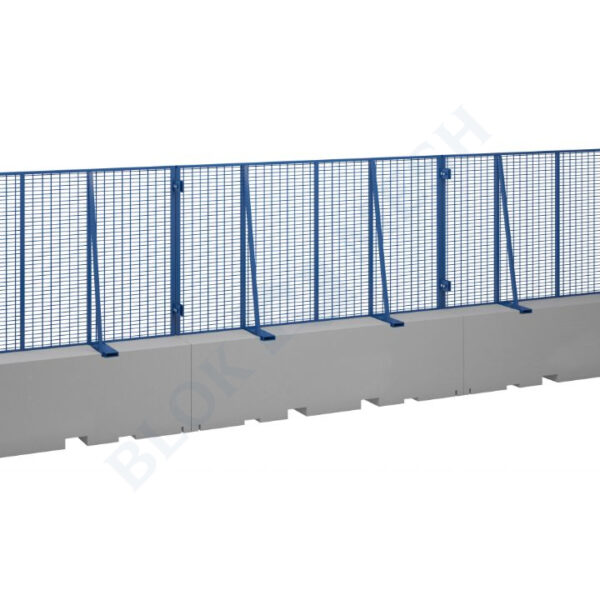
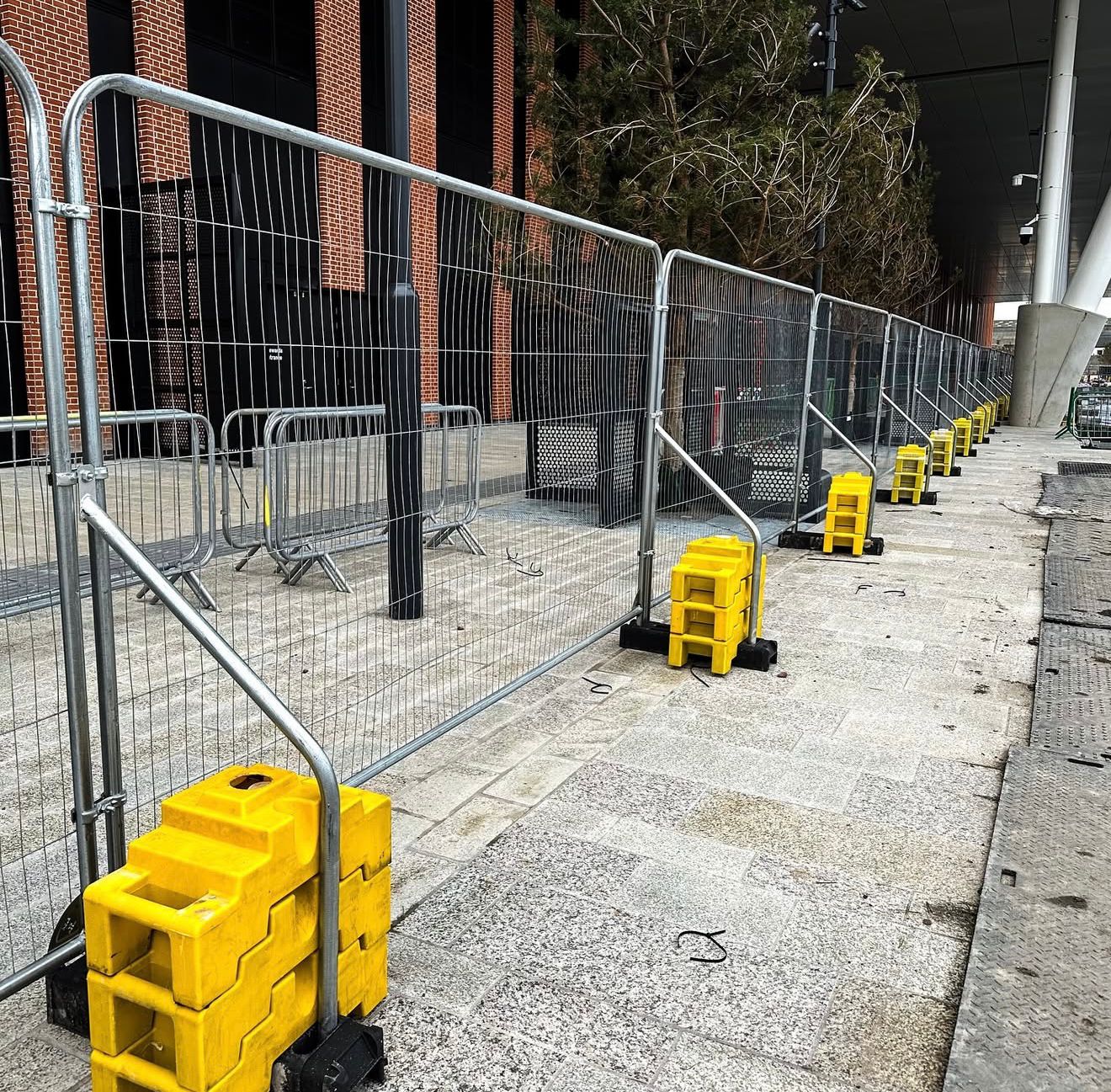
Temporary fencing is designed to create a temporary, often relocatable, perimeter around a site for the safety and security of individuals on either side of the perimeter.
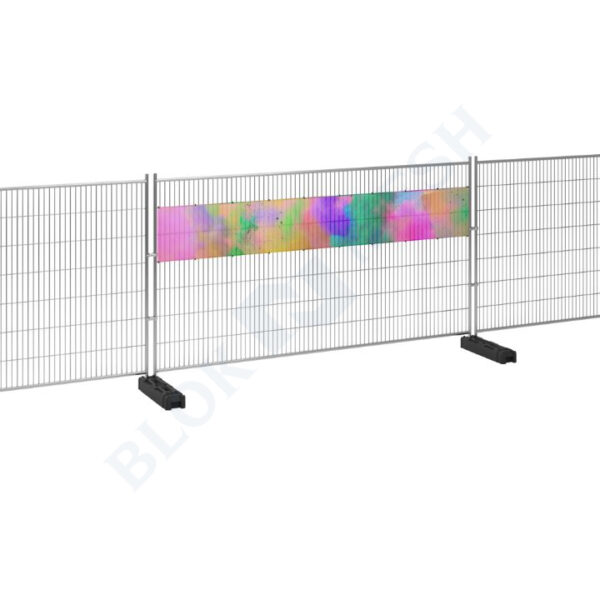
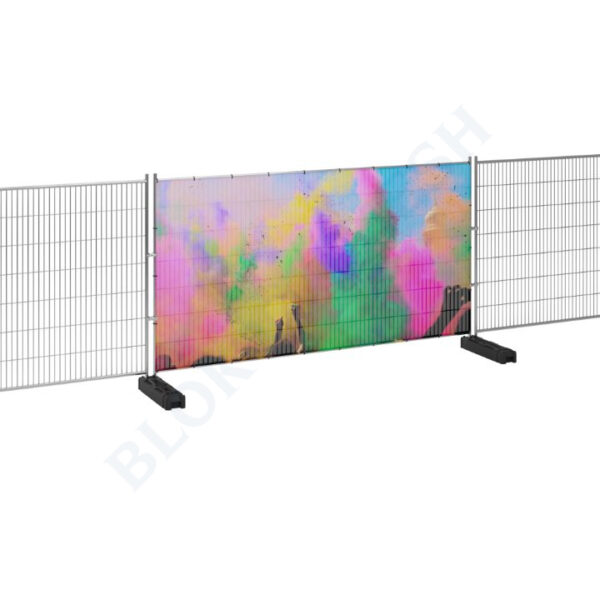
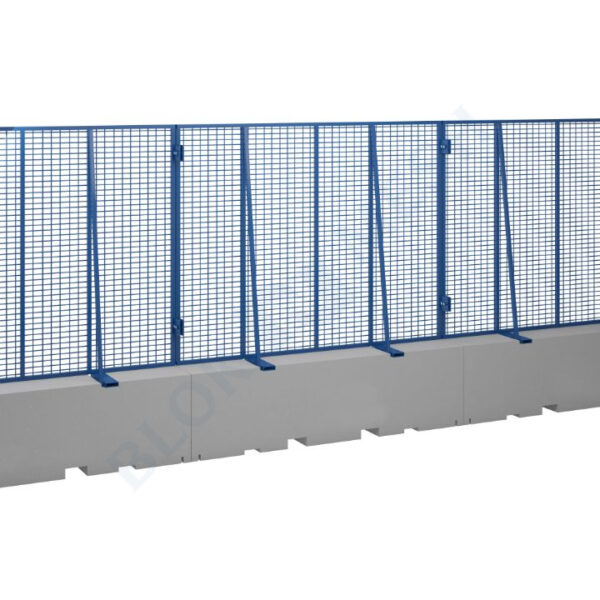
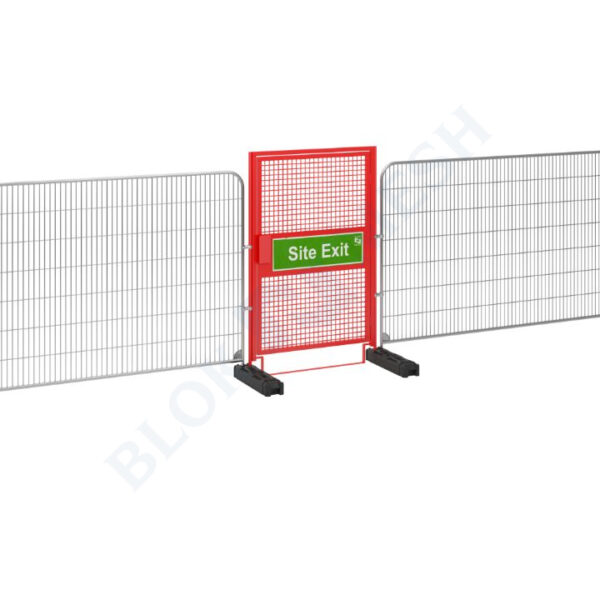
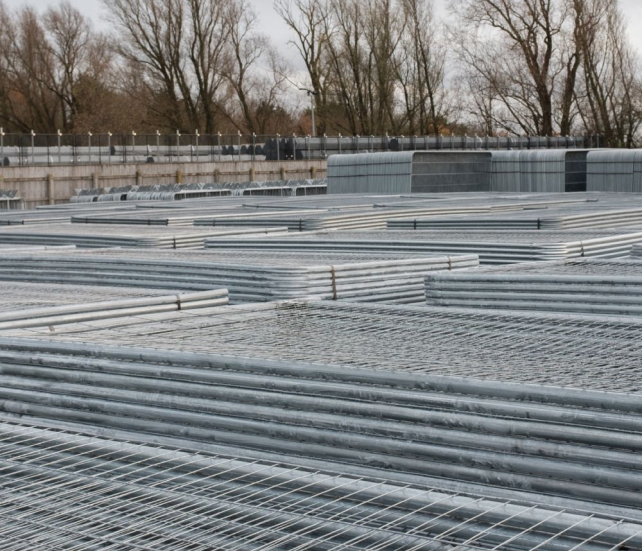
Industry-standard temporary fencing is typically 3.5m wide and 2m tall, comprising a frame made from a bent steel tube that’s covered with steel wire mesh, which are welded together. Often, temporary fencing panels also feature reinforced steel corner gussets for extra strength, and may also weld 4 separate tubes together to create a rectangular temporary fencing frame.
Which temporary fencing type is right for you?
The most cost-effective temporary fencing solution is generally this industry-standard 3.5m x 2m temporary site fencing, mostly used in the construction sector due to its economical value, speed of installation, and extendability with accessories.
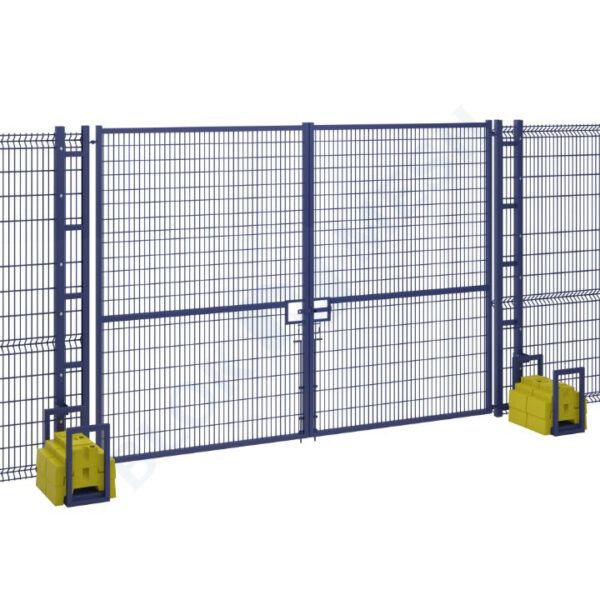
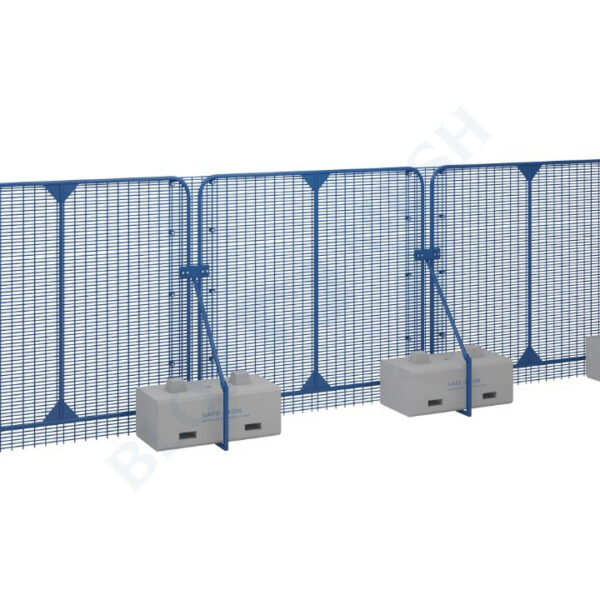
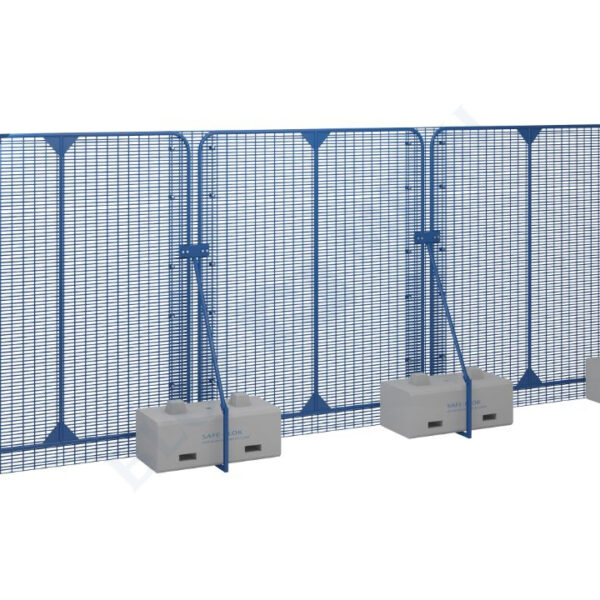
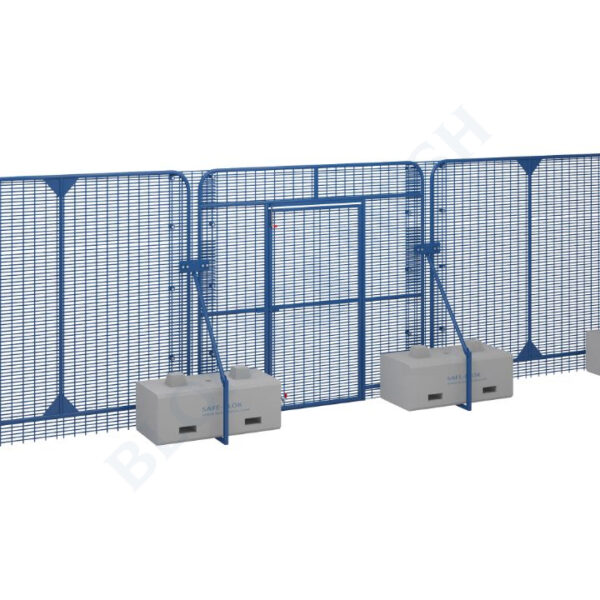
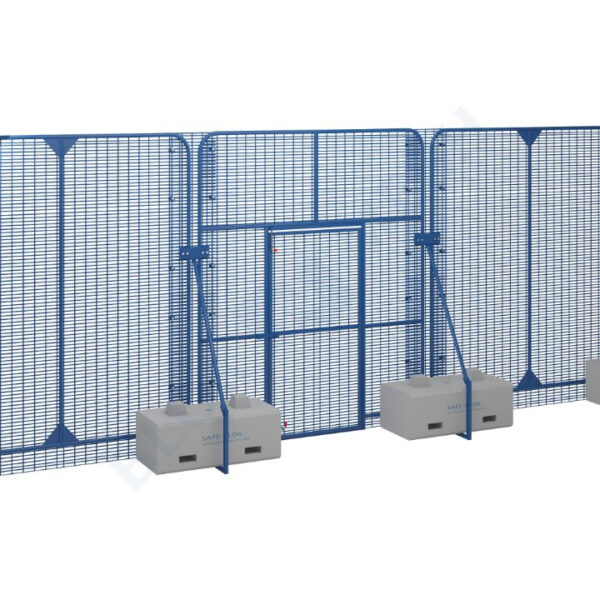
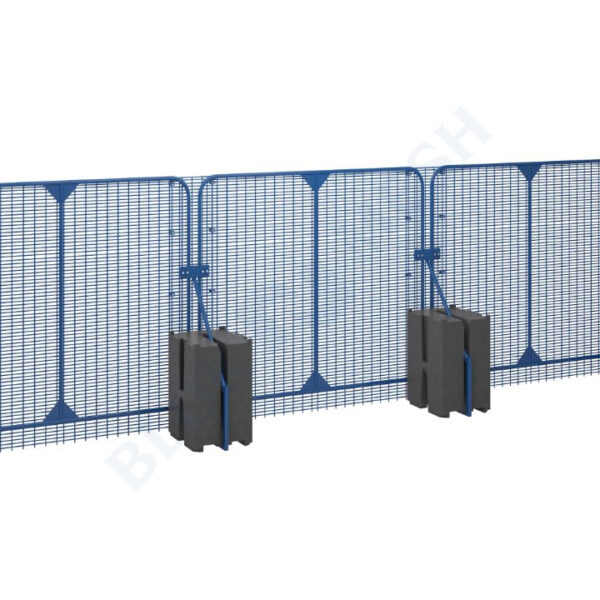
For sites requiring additional security and a taller perimeter, V-mesh fencing, like our Defender Paladin Fencing system, is ideal – providing a stronger, more stable, and taller temporary fence with a height of either 2.4m or 3m.
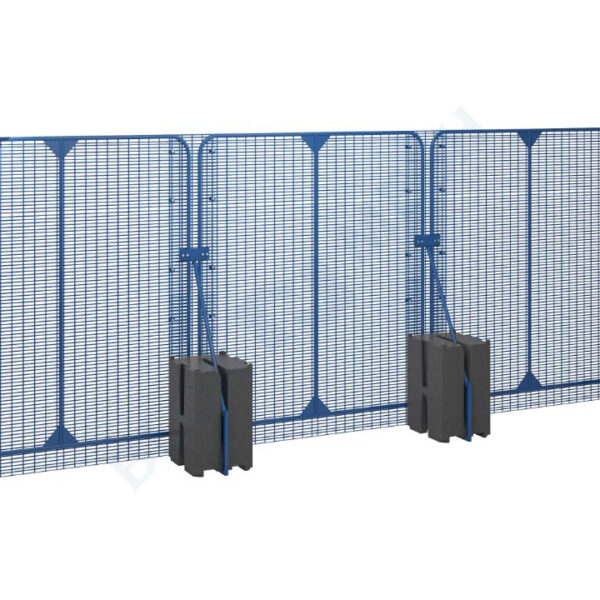
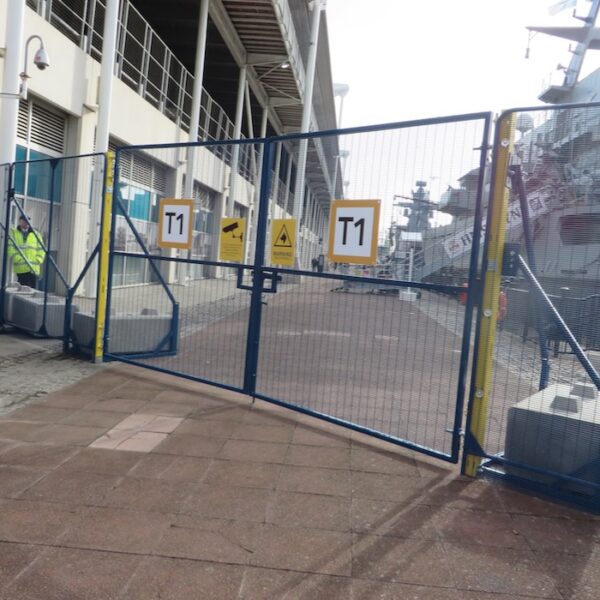
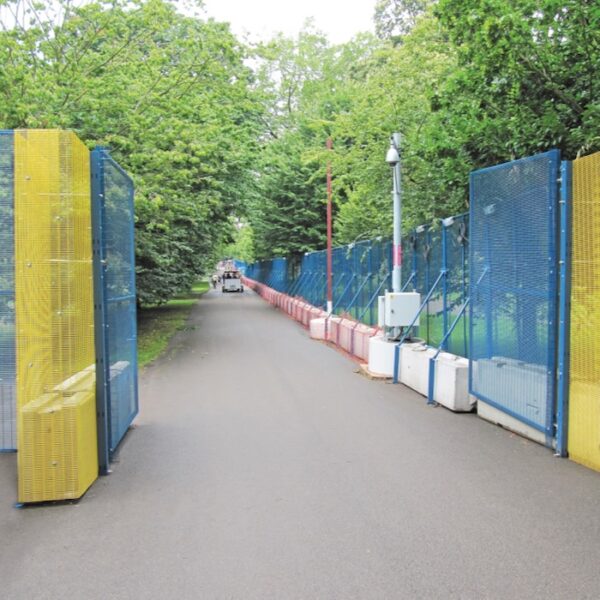
Security–sensitive events may consider utilising a prison-mesh temporary fencing system, like our award-winning POLMIL® temporary fencing, designed as an on-ground relocatable temporary fence system with fantastic strength to maintain security against mob attacks, vehicle ramming, and more!
 Direct from the manufacturer
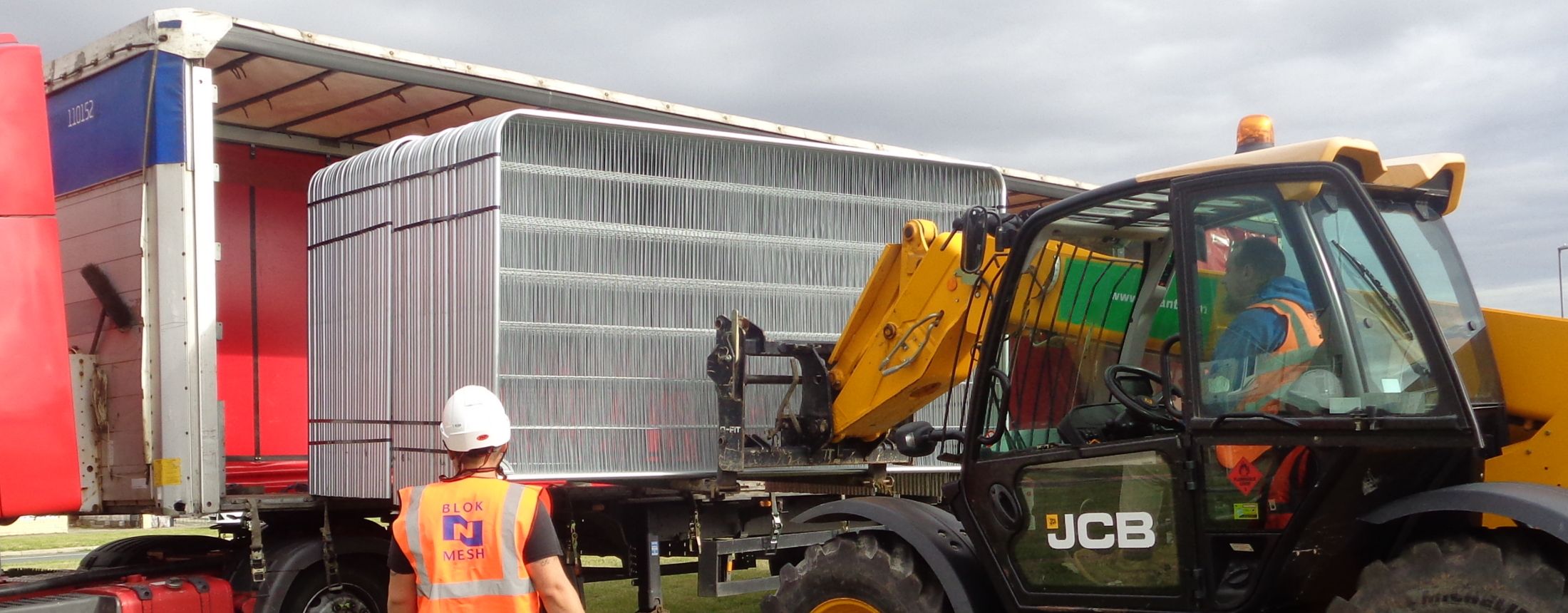
 Rapid delivery nationwide
 Full installation service
 Products for hire or sale